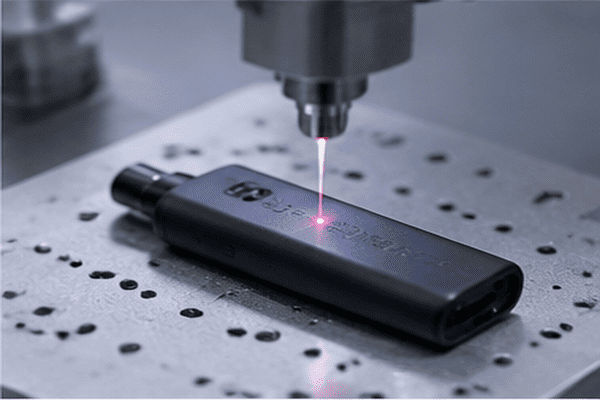
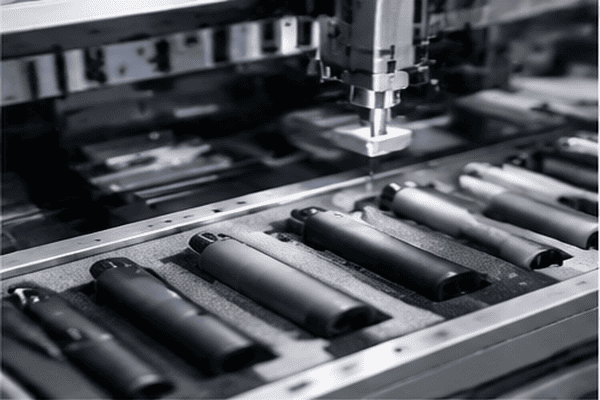
At BAE Vapor, we are committed to manufacturing high-quality vaporizers through professional engineering, precise manufacturing processes, and strict quality management. From raw material selection and component processing to product assembly and final inspection, every stage is carefully managed to ensure product consistency, functionality, and reliability. With flexible OEM and ODM capabilities, we provide customized manufacturing solutions for dry herb vaporizers, concentrate vaporizers, and oil vaporizers, helping brands, distributors, and importers develop products that meet their specific requirements. Below is an overview of our vaporizer manufacturing process and quality assurance measures.
Vaporizer Manufacturing Process
1. Product Design and Engineering Development:
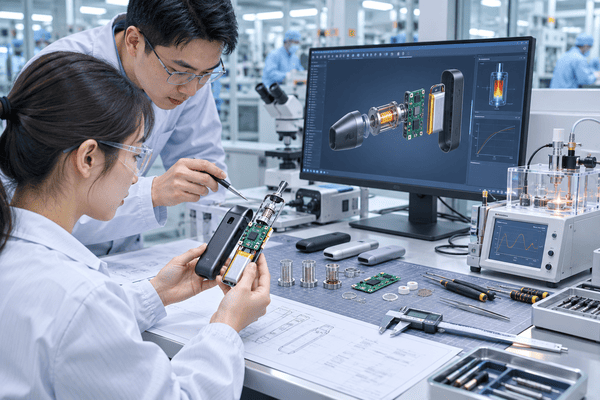
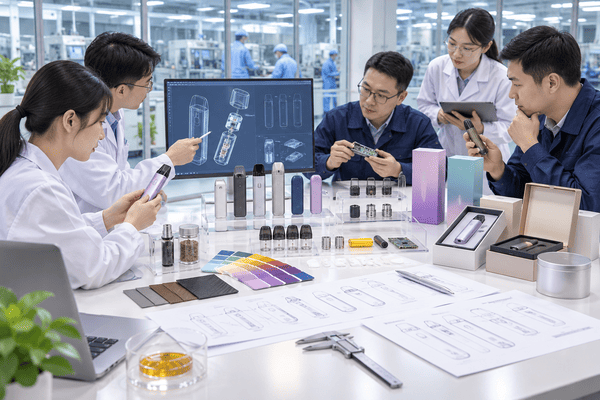
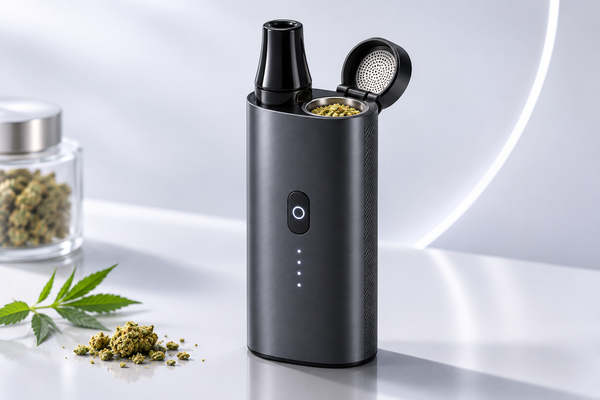
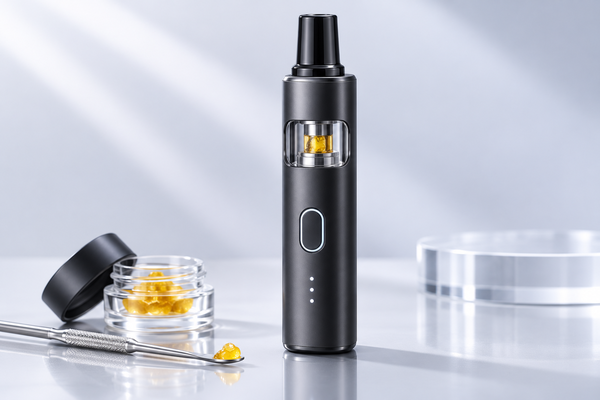
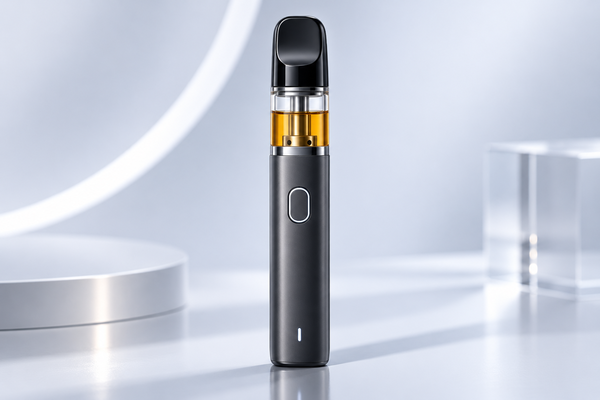
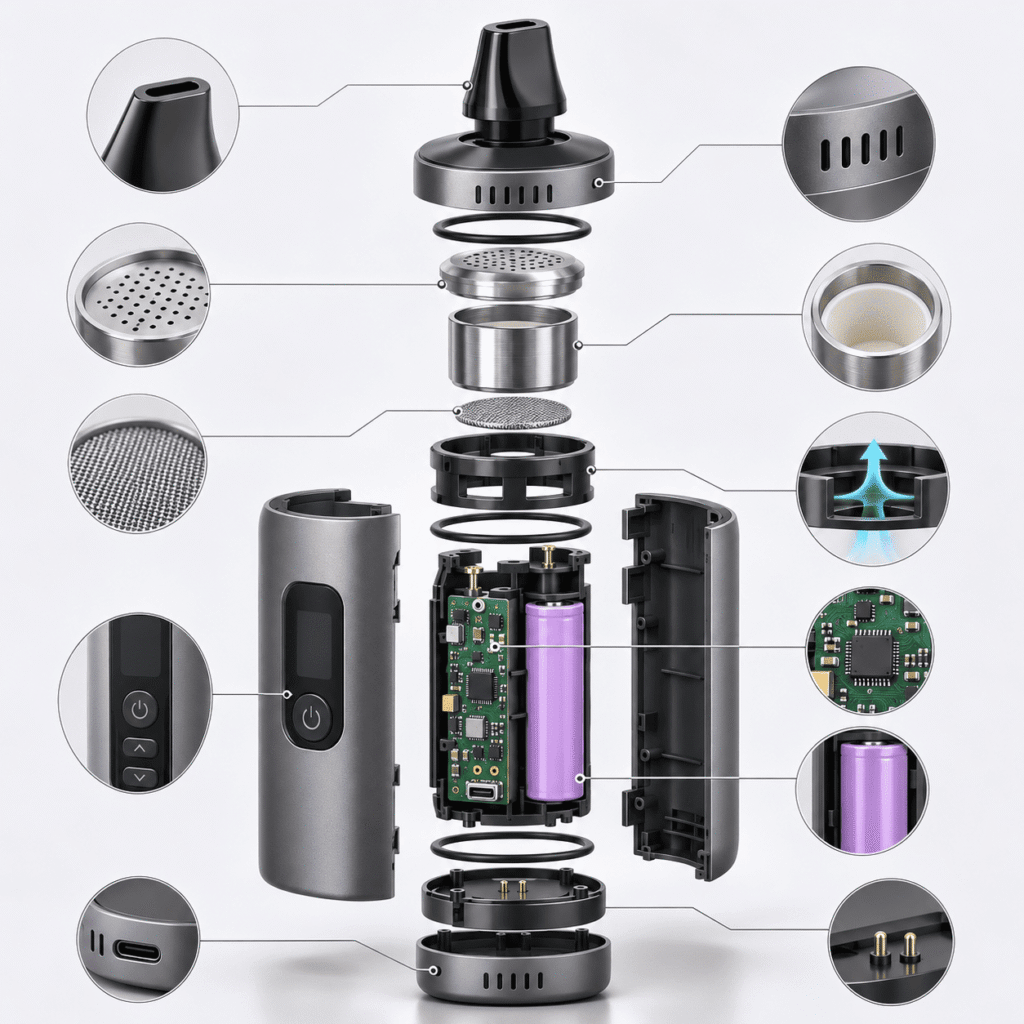
Every vaporizer manufacturing project begins with product design and engineering evaluation. Based on the client’s requirements, our team works on product structure, appearance, electronic configurations, heating systems, and functional specifications. For dry herb vaporizers, particular attention is given to heating chamber design and conduction or convection heating configurations. For concentrate vaporizers, the design focuses on heating chamber structure and compatible heating elements. For oil vaporizers, cartridge compatibility, atomizer configurations, and battery systems are considered. This stage establishes the technical foundation for product development and customized manufacturing.
2. Raw Material and Component Selection:
The quality of a vaporizer depends on the materials and components used throughout the device. We select suitable housing materials, heating chamber materials, electronic components, batteries, heating elements, and other functional parts according to product specifications. Materials such as stainless steel, ceramic, and other suitable engineering materials are evaluated based on thermal properties, durability, and application requirements. Incoming components are inspected according to established quality standards to ensure compatibility and consistency before entering production.
3. Component Processing and Preparation:
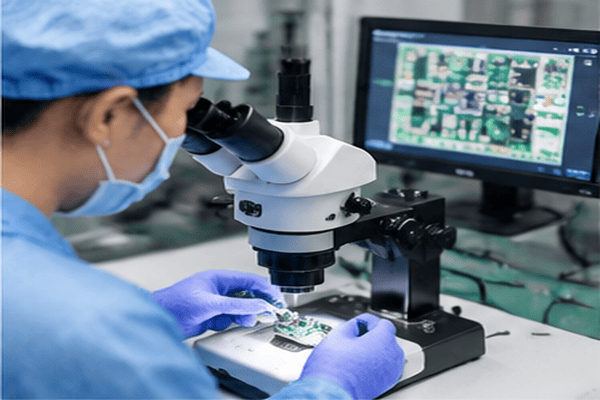
After material and component approval, individual parts undergo the required processing and preparation procedures. This includes precision machining, molding, surface finishing, electronic component preparation, and heating chamber processing. Each component is manufactured or prepared according to approved drawings and specifications. Dimensional checks and visual inspections are conducted to identify potential defects and ensure that components meet assembly requirements.
4. Heating System and Electronic Assembly:
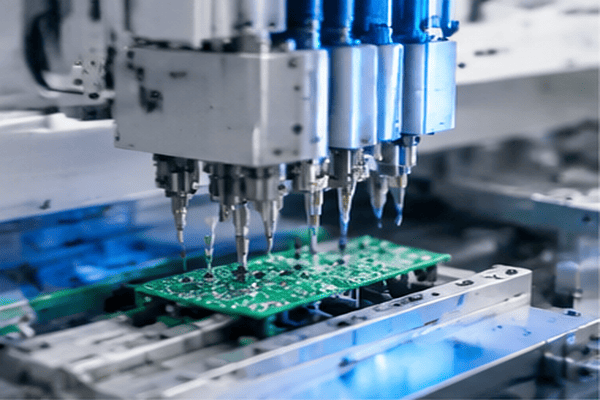
The heating system and electronic components are assembled according to the specific design of each vaporizer category. For dry herb vaporizers, the heating chamber, temperature sensors, and control components are integrated to support consistent temperature management. For concentrate vaporizers, heating chambers and compatible heating elements are assembled according to the intended product configuration. For oil vaporizers, battery systems, atomizers, and compatible cartridge connections are integrated to support proper device operation. Assembly inspections help ensure correct component installation and reliable electrical connections.
5. Product Assembly and Functional Testing:
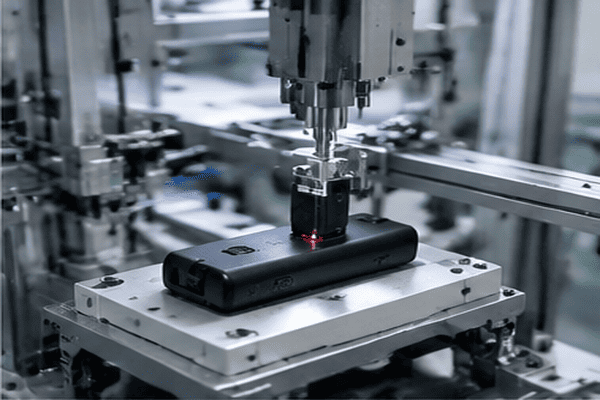
After component assembly, the complete vaporizer undergoes product integration and functional testing. Depending on the product type, testing includes power operation, heating response, temperature control, airflow performance, electronic functions, battery operation, and charging performance. Dry herb vaporizers are evaluated for heating performance and temperature stability, while concentrate and oil vaporizers are tested according to their respective heating and electronic configurations. These procedures help identify functional issues and ensure that finished devices meet the agreed product specifications.
6. Quality Inspection and Reliability Evaluation:
Quality assurance is maintained throughout the manufacturing process. Finished products undergo visual inspections, dimensional checks, electrical safety evaluations where applicable, and functional testing. Additional reliability evaluations include repeated operating cycles, battery performance checks, charging tests, and component durability assessments. Inspection results are reviewed according to established quality requirements to maintain product consistency and reduce potential manufacturing defects before shipment.
7. Custom Packaging and Product Labeling:
Once products pass the required inspections, they proceed to packaging and labeling. BAE Vapor provides customized packaging solutions, including branded boxes, product inserts, user manuals, accessories, and product labels according to customer requirements. Packaging specifications can be adapted to different product models and market requirements. Relevant product identification, batch information, and applicable compliance labeling are prepared according to the destination market’s requirements.
8. Finished Product Storage and Global Delivery:
Completed products are properly packaged and stored under suitable warehouse conditions before shipment. Orders are checked against confirmed product specifications, quantities, and packaging requirements before dispatch. BAE Vapor coordinates order preparation and shipping arrangements to support reliable delivery for international B2B customers. From initial production planning to final shipment, we aim to provide a consistent and organized manufacturing supply process for our global partners.